
Walk-In Tubs: Are They the Right Choice for Your Bathroom?

A bathroom should feel comfortable and practical every time you use it. But what happens when stepping over the high side of a traditional bathtub starts feeling inconvenient? For homeowners thinking about long-term comfort, accessibility, or simply a different way to enjoy bathing, walk-in tubs are worth considering.
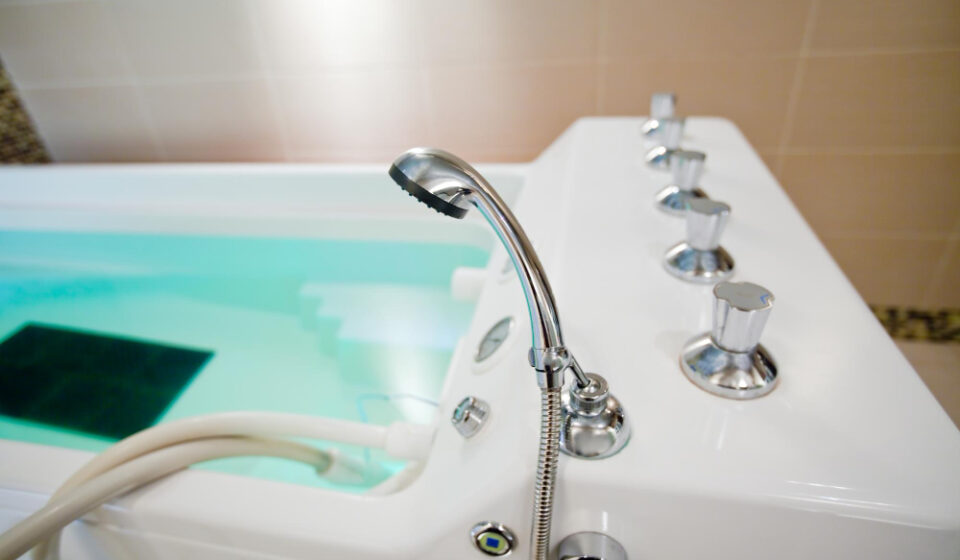
Unlike conventional bathtubs, walk-in models include a door that allows you to enter through a lower threshold instead of climbing over a tall tub wall. Most also include built-in seating, and depending on the model, you may find features such as handheld showerheads, grab bars, hydrotherapy jets, or heated surfaces.
Does that mean a walk-in tub is automatically the right choice for every bathroom? Not necessarily. The dimensions of the room, plumbing configuration, water-heater capacity, filling and draining characteristics, and the needs of the person using the tub should all influence the decision.
The key is to look beyond the feature list. A successful installation should make bathing more comfortable while fitting naturally into the bathroom and supporting the way you expect to use the space for years to come.
“The best bathroom upgrade is one that makes everyday routines more comfortable without sacrificing thoughtful design.”
What Makes Walk-In Tubs Different?
The most recognizable feature of a walk-in tub is its watertight door. Instead of stepping over the full height of a conventional bathtub wall, you enter through an opening in the side of the tub and close the door before filling it.
Most models also provide an integrated seat, allowing you to bathe in a seated position rather than lowering yourself to the floor of a traditional bathtub. Because many walk-in tubs are deeper than standard tubs, they can provide substantial water depth while maintaining a relatively compact footprint.
You’ll also find considerable variation between models. Some are relatively straightforward soaking tubs, while others incorporate handheld showerheads, hydrotherapy systems, air jets, heated seating, quick-drain features, and additional controls. More features aren’t always better, though—the right combination depends on how you actually intend to use the tub.
Before choosing a model, compare:
- Entry threshold height and how comfortably you can step through it.
- Seat dimensions and height for comfortable positioning.
- Door direction and the clearance available around the tub.
- Grab bars or handholds and where they’re positioned.
- Surface texture inside the bathing area.
- Control placement and whether controls are easy for the intended user to reach.
- Tub capacity and the amount of hot water required.
- Filling and draining characteristics of the specific model.
There is one practical difference that’s particularly important to understand before purchasing. Because the access door must remain closed while the tub contains water, users generally enter before filling the tub and remain inside while it drains sufficiently to open the door.
That makes filling and draining performance more than a technical specification. It directly affects the everyday bathing experience, so it deserves attention when comparing different walk-in tubs.
Are Walk-In Tubs Worth It for Your Bathroom?
The answer depends less on the tub itself and more on what you want your bathroom to accomplish. If you’re planning to remain in your home for many years, a walk-in tub may become part of a broader strategy for creating a bathroom that remains comfortable as household needs change.
For some homeowners, the biggest attraction is simply easier entry compared with climbing over the wall of a conventional bathtub. Others prefer seated bathing or want a deeper soaking experience without installing a large freestanding tub.
Walk-in models can also be considered during a multigenerational bathroom remodel. When several generations share a home, creating spaces that accommodate different preferences can make the bathroom more flexible. However, the intended users should be involved in the selection process whenever possible because seat height, door configuration, controls, and entry dimensions can feel very different from one model to another.
It’s equally important not to treat a walk-in tub as a universal solution. A low threshold can reduce the height that must be stepped over compared with many conventional tubs, but individual mobility, balance, transfer ability, and bathing needs vary. The bathroom layout around the tub matters as much as the fixture itself.
Before selecting a walk-in tub, compare the actual entry height, seat dimensions, door direction, tub capacity, controls, and filling and draining requirements—not just the overall exterior dimensions.
Space should be evaluated carefully as well. Some walk-in tubs are designed to fit into areas previously occupied by standard alcove tubs, but dimensions vary considerably. The installer may need to account for surrounding wall finishes, access panels, plumbing connections, and filler sections depending on the selected model and existing opening.
Then there’s hot water. A deeper tub can require more water than your existing bathtub, and that makes the household’s water-heating system an important part of planning. You don’t want to discover after installation that your tub capacity and available hot-water supply aren’t well matched.
A walk-in tub is most worthwhile when the fixture, user, and bathroom are considered together. Choosing solely from a brochure or feature list can overlook the practical details that determine whether the tub will actually be comfortable every day.
Installation, Comfort, and Everyday Practicality
Installing a walk-in tub can involve more than removing the existing bathtub and sliding a new fixture into its place. Even when the replacement model is designed for a standard alcove, plumbing locations, drainage, surrounding walls, electrical requirements, and the dimensions of the existing space should all be evaluated.
Plumbing is an obvious starting point. The installer needs to confirm that water supply and drain connections are compatible with the selected tub and that the plumbing configuration supports the manufacturer’s installation requirements. If faster filling or draining is an important feature of the model, the existing plumbing should be evaluated accordingly.
Waterproofing around the bathing area also deserves careful attention. Whether the finished walls use tile, panels, or another approved material, the visible surface is only one part of the assembly. Proper preparation behind those finishes helps protect surrounding construction from routine water exposure.
Some walk-in tubs include powered components such as pumps, air systems, heated surfaces, or other features. These models may require appropriate electrical connections installed according to the manufacturer’s specifications and applicable requirements.
Planning all of these details before installation helps ensure that the new tub isn’t simply able to fit into the room—it actually works as part of the complete bathroom.
Comfort after installation depends on the details you notice during ordinary use. Can you reach the faucet and handheld shower comfortably from the seat? Is there enough room to enter, close the door, and position yourself without awkward movement? These questions are more important than adding features that may rarely be used.
Door configuration deserves special attention. Depending on the model, the door may open inward or outward, and each arrangement creates different clearance and transfer considerations. The surrounding bathroom layout should therefore be reviewed together with the tub specifications rather than treating the fixture as an isolated product.
Maintenance matters, too. Door seals, drains, jets, and bathing surfaces should be cleaned according to the manufacturer’s recommendations. If you select a tub with hydrotherapy or air systems, ask what additional maintenance those components require before deciding whether the extra features make sense for your routine.
Professional installation can help coordinate all these details. An experienced bathroom remodeling team can evaluate the existing space, confirm dimensions, inspect plumbing and electrical requirements, and address surrounding finishes before the new tub goes into service.
Before installation begins, it’s helpful to confirm:
- Exact tub dimensions and available bathroom clearance.
- Water supply and drainage requirements for the selected model.
- Available hot-water capacity relative to tub volume.
- Electrical requirements for powered features, when applicable.
- Wall and floor conditions around the existing bathtub.
- Door operation and access for the intended user.
- Maintenance requirements for seals, jets, and other components.
Thinking through these factors before ordering can prevent compromises later. After all, the goal isn’t simply to install a different bathtub. It’s to create a bathing area that feels intuitive every time you use it.
Creating a Bathroom That Works for the Years Ahead
One of the strongest reasons homeowners consider walk-in tubs is the opportunity to think beyond today’s bathroom routine. A bathroom remodel is a significant project, so it makes sense to consider how comfortably the room might function several years from now as well as immediately after construction.
That doesn’t mean the bathroom has to look institutional or purely utilitarian. Contemporary walk-in tubs are available in a range of designs, and thoughtful choices for tile, wall surrounds, fixtures, cabinetry, lighting, and flooring can help the bathing area feel integrated with the rest of the room.
Accessibility planning can extend beyond the tub itself. Comfortable circulation, well-positioned lighting, appropriate flooring, accessible storage, and carefully located controls can all influence how easily the bathroom functions. Looking at the entire room often produces a better result than focusing exclusively on one fixture.
It’s also worth considering whether a walk-in tub or walk-in shower better matches your habits. If you enjoy soaking and prefer seated bathing, the tub may be an appealing choice. If you rarely take baths and prioritize an open bathing area, a shower conversion may deserve consideration instead.
There is no universal answer because households use bathrooms differently. The best design is the one that responds to the people living in the home rather than simply following a remodeling trend.
Quality matters more than the number of features. A long list of jets, controls, and accessories can sound impressive, but reliable door seals, comfortable seating, appropriate dimensions, intuitive controls, and proper installation are likely to influence everyday satisfaction far more.
Before making the final decision, try to think through an entire bathing routine from beginning to end. Imagine entering the tub, closing the door, reaching the controls, waiting for it to fill, bathing, draining the water, opening the door, and exiting. If each step feels practical for the intended user, you’ve learned much more than you could from comparing specifications alone.
Ultimately, the best walk-in tubs aren’t necessarily the largest, most expensive, or most feature-rich models. They’re the ones that fit the bathroom correctly, complement the user’s needs, and integrate thoughtfully with the plumbing, hot-water system, surrounding finishes, and long-term plans for the home.
A well-planned installation can make the bathroom more comfortable and better suited to changing needs while preserving a welcoming residential appearance. When fixture selection and professional installation work together, a walk-in tub becomes more than a replacement bathtub—it becomes part of a bathroom designed around everyday life for the years ahead.