
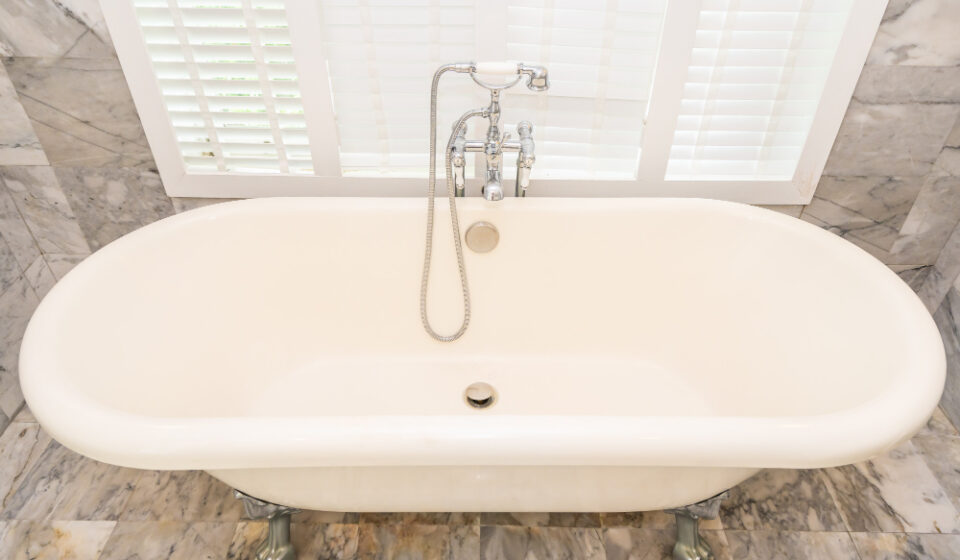
Bathtub Replacement: Everything Homeowners Need to Know

A bathtub is built to handle years of daily use, but it doesn’t last forever. Cracks, stubborn stains, worn finishes, recurring leaks, or an outdated configuration can eventually turn the tub from a comfortable bathroom feature into a maintenance problem. For some homeowners, accessibility or changing family needs can also make the existing bathtub less practical than it once was.
Bathtub replacement provides an opportunity to address these problems while improving comfort, appearance, and functionality. But should you replace the tub completely, refinish the existing surface, or convert the space into a shower? And what should you expect once the old bathtub is removed?
This FAQ answers the most common questions homeowners have before starting a bathtub replacement project.
What Is Bathtub Replacement?
Answer:
Bathtub replacement involves removing an existing bathtub and installing a new unit in its place. Depending on the bathroom, the project may also involve plumbing connections, waterproofing, wall surrounds, tile, fixtures, and repairs to materials that become exposed during demolition.
Replacement is different from refinishing. Refinishing keeps the existing bathtub and applies a new coating to restore its surface, while replacement physically removes the old fixture. A bathtub liner is another option in which a fitted shell is installed over an existing tub.
The appropriate approach depends on the condition of the bathtub and the goals of the renovation. Cosmetic wear may sometimes be addressed without full replacement, while structural damage, leaks, layout changes, or significant accessibility concerns can make a new tub the more practical option.
Quick Summary:
- Replacement: Removes the old tub and installs a new one.
- Refinishing: Restores the existing tub’s surface.
- Bathtub liner: Fits a new shell over the existing fixture.
How Do You Know When a Bathtub Needs to Be Replaced?
Answer:
Appearance alone doesn’t always determine whether replacement is necessary. An older bathtub may still function perfectly well despite showing normal cosmetic wear. The more important question is whether the tub remains structurally sound, watertight, comfortable, and practical to maintain.
Cracks deserve particular attention. Surface-level imperfections may sometimes be repairable, but deeper structural cracking can allow water to reach surrounding materials. Recurring leaks should also be investigated rather than repeatedly patched without identifying their source.
Common reasons homeowners consider replacement include:
- Cracks or significant structural damage.
- Rust or corrosion.
- Persistent stains and heavily worn surfaces.
- Recurring leaks around the tub or drain.
- A surface that has become increasingly difficult to clean.
- An outdated size, style, or configuration.
- Difficulty stepping into or safely using the bathtub.
If water damage is suspected, replacement can provide an opportunity to inspect areas that are normally hidden behind or beneath the tub. Discovering and correcting moisture problems before installing new finishes can help prevent more extensive repairs later.
Quick Summary: Cosmetic wear doesn’t automatically require a new bathtub. Structural damage, persistent leaks, corrosion, recurring maintenance problems, and poor accessibility are stronger reasons to consider replacement.
Should You Replace or Refinish an Existing Bathtub?
Answer:
Refinishing can make sense when the bathtub is structurally sound and the primary problem is cosmetic. A worn or dated finish may be refreshed without removing the entire fixture, potentially reducing demolition and disruption.
Replacement provides considerably more flexibility. You can select a different material, shape, depth, color, or bathing configuration while addressing plumbing and waterproofing conditions that cannot be evaluated as thoroughly when the existing tub remains in place.
The condition of surrounding materials should influence the decision as well. If wall tile, plumbing fixtures, waterproofing, or the tub surround already needs substantial work, investing in refinishing alone may solve only one part of a larger bathroom problem.
Think about how long you plan to keep the bathroom, too. If a larger renovation is expected soon, consider whether a temporary cosmetic improvement makes financial and practical sense compared with coordinating the bathtub with the future remodel.
What Types of Bathtubs Are Best for Replacement?
Answer:
There isn’t one bathtub style that’s best for every bathroom. Available floor space, plumbing location, bathing habits, accessibility, and the overall design should determine which configuration makes the most sense.
Alcove tubs remain a practical choice for many bathrooms because they’re installed between three walls and can combine bathing and showering within a relatively compact footprint. They are particularly useful where space efficiency matters.
Freestanding tubs create a more sculptural focal point and work especially well in bathrooms with enough open floor area around the fixture. Because plumbing placement and clearance requirements can differ from a standard alcove installation, they should be considered early in the design process.
Soaking tubs prioritize deeper, more immersive bathing. Before selecting one, homeowners should consider the tub’s dimensions, water capacity, floor structure where relevant, water-heater capability, and how easily users can enter and exit.
Drop-in tubs are installed within a constructed deck or surround, providing opportunities for customized materials and integrated surfaces. However, the supporting structure increases the amount of space required around the fixture.
Walk-in tubs are designed around easier entry and can include features such as built-in seating and grab bars. They may be worth considering when accessibility is a central objective, although dimensions, filling and draining characteristics, and individual mobility needs should all be evaluated carefully.
Quick Summary:
- Choose an alcove tub when efficient use of space is important.
- Consider a freestanding tub when you want a strong visual focal point.
- Select a soaking tub when bathing comfort and depth are priorities.
- Consider a drop-in tub for a customized built-in appearance.
- Evaluate a walk-in tub when easier access is an important goal.
What Materials Are Available for a New Bathtub?
Answer:
Bathtub material affects weight, appearance, durability, heat retention, maintenance, and installation requirements. Four familiar options are acrylic, fiberglass, enameled steel, and cast iron.
Acrylic is widely used because it combines relatively light weight with a smooth surface and broad selection of shapes and sizes. It can be a practical choice when homeowners want design flexibility without the substantial weight of some traditional materials.
Fiberglass is another lightweight option and is commonly chosen for straightforward, budget-conscious installations. Its surface can be more susceptible to scratching and wear than some heavier-duty alternatives, making proper cleaning and care important.
Enameled steel uses a steel body finished with a porcelain-enamel surface. It provides a crisp, traditional appearance and can offer a balance between weight and durability, although impacts can potentially damage the enamel.
Cast iron is exceptionally substantial and valued for its solid feel, durable enamel finish, and heat retention. Its considerable weight means floor support, handling, and installation logistics should be evaluated before selection.
The best material isn’t simply the most expensive one. It is the material that fits the bathroom’s structure, budget, maintenance expectations, and the way the bathtub will actually be used.
How Long Does Bathtub Replacement Take?
Answer:
There is no single timeline that applies to every bathtub replacement. A straightforward project in which the new tub fits the existing opening and plumbing configuration can move relatively quickly, while projects involving tile removal, plumbing relocation, waterproofing upgrades, or concealed damage require additional work.
The condition behind the existing bathtub is one of the biggest variables. Until demolition begins, it may be difficult to know whether the wall substrate, subfloor, plumbing connections, or surrounding framing needs repair.
The new bathtub can also influence the schedule. Switching from one alcove tub to another of similar dimensions is generally less complicated than changing to a freestanding tub, larger soaking tub, or completely different configuration.
Quick Summary: The installation timeline depends on the tub configuration, plumbing changes, waterproofing, surrounding finishes, material availability, and whether hidden damage is discovered during demolition.
Can You Replace a Bathtub Without Remodeling the Entire Bathroom?
Answer:
Yes. In many bathrooms, the bathtub can be replaced without renovating the entire room. Keeping the existing vanity, flooring, lighting, and general layout may allow homeowners to focus the project on the bathing area.
However, the surrounding finishes should be evaluated before deciding on a limited renovation. Removing an old bathtub can affect adjacent tile, wall panels, trim, and waterproofing, especially when the original materials were installed together as one system.
This can also be a practical time to replace an aging tub faucet, shower valve, drain assembly, or wall surround. Coordinating related improvements while the area is already open may reduce the need to disturb newly completed finishes later.
What Problems Can Be Found After Removing an Old Bathtub?
Answer:
Demolition sometimes reveals conditions that weren’t visible before the project began. Water staining, deteriorated wall materials, damaged subflooring, corroded plumbing components, or inadequate waterproofing may become apparent only after the old bathtub and surrounding finishes are removed.
These discoveries shouldn’t simply be concealed behind the new installation. Moisture-damaged materials should be evaluated, the source of any leak should be identified, and the bathing area should be prepared correctly before new finishes are installed.
Common concealed conditions can include:
- Water-damaged wall substrate or subfloor.
- Leaking or deteriorated drain connections.
- Corroded plumbing components.
- Inadequate support beneath the existing bathtub.
- Older or incomplete waterproofing details.
- Damage around the tub-to-wall transition.
Quick Summary: A replacement project should include enough flexibility to address concealed conditions correctly rather than installing a new bathtub over unresolved problems.
How Much Does Bathtub Replacement Cost?
Answer:
The total cost depends on considerably more than the price of the bathtub itself. Material, dimensions, configuration, demolition, plumbing, wall finishes, waterproofing, accessibility, and labor can all influence the final investment.
Replacing a standard bathtub with a similarly sized model while retaining the existing plumbing locations will usually involve fewer modifications than changing the layout. Moving plumbing, enlarging the bathing area, installing custom tile, or converting to a substantially different bathtub style increases project complexity.
The bathtub material matters as well. Fiberglass, acrylic, enameled steel, and cast iron have different product costs and installation requirements. Heavy fixtures may require additional handling and structural considerations, while custom surrounds and premium plumbing fixtures can further influence the project budget.
Instead of comparing estimates based only on the bathtub price, homeowners should determine exactly what each proposal includes: demolition, disposal, plumbing, waterproofing, wall restoration, installation, fixtures, and finishing work.
Is a Walk-In Shower Better Than Replacing the Bathtub?
Answer:
It depends on how you use the bathroom. Homeowners who rarely take baths may prefer converting an old bathtub into a walk-in shower, particularly when easier entry, additional shower space, or accessibility is a priority.
Keeping a bathtub can still make sense for households that regularly bathe young children, enjoy soaking, or simply want to preserve both bathing and showering options. Homes with multiple bathrooms may offer greater flexibility because one room can retain a tub while another emphasizes a walk-in shower.
Rather than treating one configuration as universally better, consider who will use the bathroom today and how those needs may change in the future.
Does Replacing a Bathtub Add Value to a Bathroom?
Answer:
A new bathtub can improve the functionality and overall presentation of an aging bathroom, particularly when the existing fixture is damaged, difficult to clean, or visually dated. It can also support a broader bathroom renovation by creating a cleaner and more coordinated design.
Value should not be measured solely in potential resale terms. Easier maintenance, improved comfort, better accessibility, reliable waterproofing, and a bathing configuration that fits your household can provide meaningful everyday value long before the home is sold.
The strongest results generally come from choosing a bathtub appropriate for the room rather than simply selecting the largest or most luxurious model available.
What Should You Look for in a Bathtub Replacement Contractor?
Answer:
Bathtub installation often requires coordination between demolition, plumbing, waterproofing, wall preparation, tile or surround installation, and finish work. Look for a contractor with relevant bathroom remodeling experience rather than evaluating proposals on price alone.
Before moving forward, consider asking about:
- Experience with your selected bathtub type.
- Plumbing and waterproofing procedures.
- How concealed damage will be handled if discovered.
- Who coordinates the different trades involved.
- What materials and labor are included in the estimate.
- Applicable workmanship and product warranties.
A clear scope of work is particularly important. It helps you understand which portions of the bathroom will be disturbed and what the completed installation will include.
How Do You Make a New Bathtub Easier to Maintain?
Answer:
Maintenance begins with material selection. Choose a bathtub surface compatible with your cleaning preferences, and follow the manufacturer’s recommendations rather than relying on aggressive abrasive cleaners that could damage the finish.
The surrounding walls matter, too. Large-format tile can reduce the number of grout joints, while engineered wall panels can create another relatively streamlined option. Regardless of the finish, proper waterproofing behind the visible surface remains essential.
Good ventilation helps control bathroom humidity and supports the longevity of finishes throughout the room. Regularly cleaning the tub, inspecting sealant joints, and addressing plumbing leaks promptly can also help prevent small maintenance issues from becoming larger repairs.
Choosing a Bathtub That Works for Your Home
Answer:
A successful bathtub replacement isn’t simply about removing an old fixture and putting a new one in the same location. It is an opportunity to reconsider comfort, maintenance, accessibility, materials, plumbing, waterproofing, and how the bathroom should function for the people who use it.
If the existing tub is structurally sound and only cosmetically worn, refinishing may deserve consideration. When there are cracks, persistent leaks, significant deterioration, accessibility concerns, or plans for a broader renovation, complete replacement can provide far greater flexibility.
The key is to solve the entire problem rather than focusing only on what is visible. Proper preparation behind the walls, reliable plumbing connections, appropriate waterproofing, and careful installation matter just as much as the appearance of the new bathtub.
Choose a fixture that fits the room, matches your bathing habits, and remains practical to maintain. When those decisions are made thoughtfully, a new bathtub can make the bathroom more comfortable and functional for years to come.